Why Winter Damage Shows Up in Spring — and Why That’s When Budgets Get Blown

Oliver Bucksey
For many estates and property teams, winter feels like the danger period.
In reality, winter is when damage happens — spring is when the bill arrives.
Across public buildings, care homes, housing estates and NHS sites, the same pattern repeats every year: properties appear to “come through winter fine”, only for problems to surface weeks or months later, just as new budgets are being set and contractor availability tightens.
Understanding this timing gap is key to controlling cost and avoiding reactive spend.
1. Winter Is Quiet — But It’s Doing the Damage
During winter, many exterior issues remain hidden:
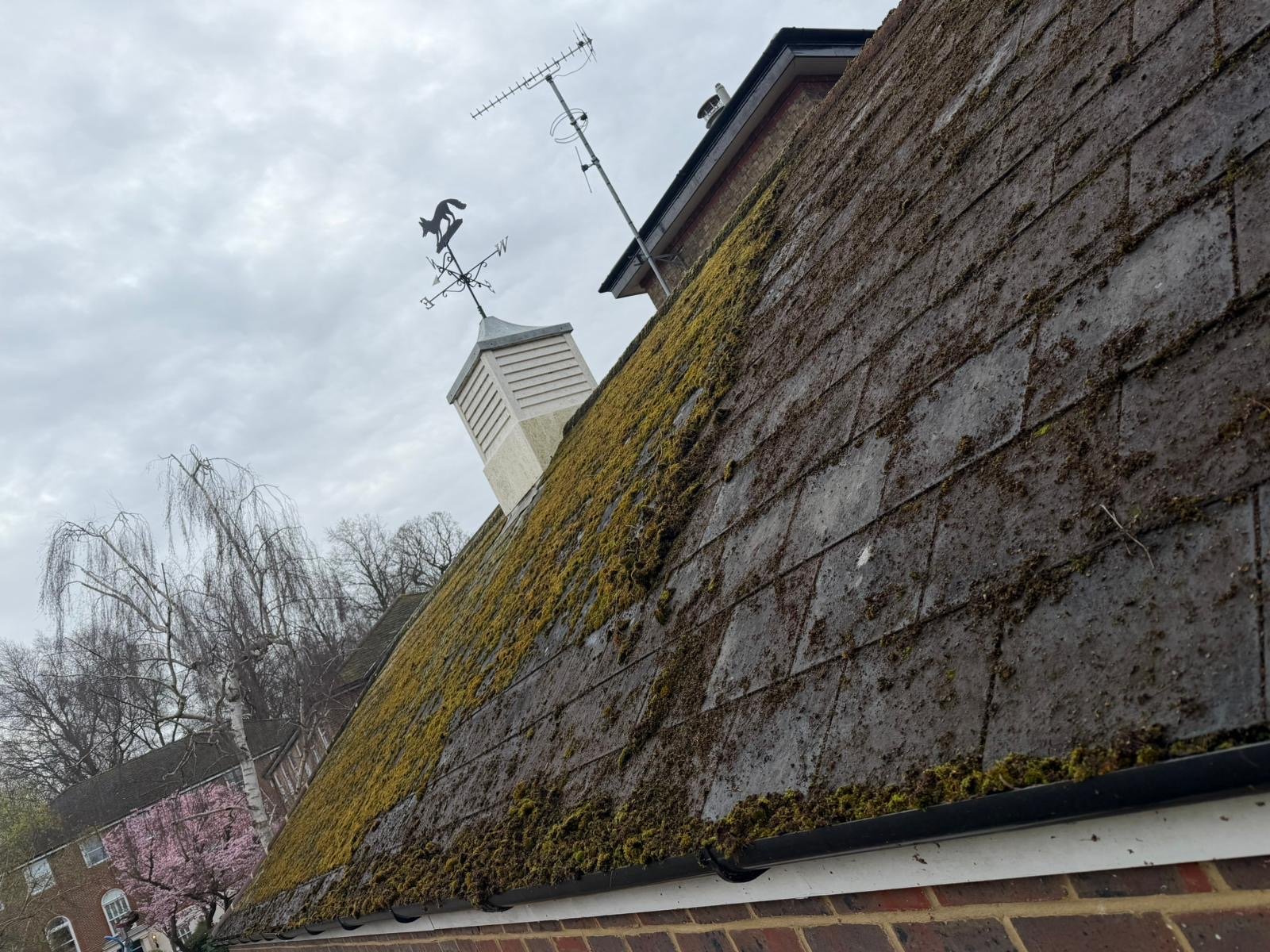
- Moss and debris sit frozen or compacted
- Gutters appear functional during lighter rainfall
- Roof tiles shift slightly but don’t immediately leak
- Paths remain damp but not actively hazardous
The real stress happens behind the scenes.
Repeated freeze–thaw cycles force water into:
- Hairline cracks in masonry
- Roof tile laps and fixings
- Joints in paving and concrete
By the time temperatures rise, those weaknesses are already established.
2. Spring Is When Failures Become Visible
As conditions improve, three things happen at once:
- Rainfall becomes heavier and more frequent
Blocked or compromised drainage systems are suddenly overwhelmed. - Organic growth accelerates
Moss and algae expand rapidly, particularly on north-facing roofs and paths. - Footfall increases
Visitors, contractors, residents and staff are back outside more often.
The result?
- Overflowing gutters
- Damp patches appearing internally
- Slippery walkways
- Resident and tenant complaints
None of these are “new problems” — they are winter damage revealing itself.
3. Why Spring Is the Most Expensive Time to React
Spring is when many organisations discover they are competing for the same resources:
- Contractors are booked solid after winter backlogs
- Emergency call-outs command higher rates
- Access equipment and traffic management are harder to schedule
- Internal teams are already stretched with year-start priorities
This is why costs escalate quickly.
A job that could have been planned calmly in autumn:
- Becomes urgent
- Disrupts residents or operations
- Requires short-notice approvals
From a financial perspective, spring reactive works are often the least efficient spend of the year.
4. The Budgeting Trap: “We Didn’t See Any Issues in Winter”
A common and understandable assumption is:
“The building made it through winter, so we’re fine.”
The problem is that exterior systems don’t fail on a calendar basis.
They fail when accumulated stress crosses a threshold.
For estates teams working under fixed annual budgets, this creates a trap:
- Funds allocated elsewhere early in the year
- Unexpected exterior issues force reprioritisation
- Planned works are deferred again — restarting the cycle
This is how minor exterior maintenance gradually turns into a recurring budget headache.
5. Why Proactive Organisations Inspect After Winter — Not During It
More proactive estates teams now plan around this reality.
Instead of waiting for problems to be reported, they:
- Inspect roofs, gutters and drainage as winter ends
- Address moss and debris before spring growth accelerates
- Treat path cleaning as a risk control, not a cosmetic task
This approach:
- Catches damage early
- Converts reactive spend back into planned maintenance
- Reduces complaints, claims and internal escalation
It’s a simple shift in timing, but it has a significant impact on cost control.
6. Spring Planning Is Now a Risk Management Decision
For organisations managing sensitive or high-footfall environments — including those aligned with Surrey County Council or the NHS — spring exterior condition increasingly sits alongside:
- Health & safety audits
- Insurance reviews
- Asset condition surveys
In other words, it’s no longer just “maintenance”.
It’s part of operational resilience.
A Final Thought
Winter rarely sends an invoice.
Spring does.
The organisations that avoid budget shocks are not the ones that spend the most — they’re the ones that time maintenance realistically, based on how buildings actually behave, not how calendars suggest they should.
In the next article, we’ll focus on slip, trip and fall risks around large properties — and why exterior surfaces are now one of the most underestimated liability areas in estate management.